innovation
Feadship and AtomicOne join forces on MXBuster technology
Feadship and Dutch technology developer AtomicOne are joining forces to bring MXBuster® combustion optimisation technology to yachts over 30 metres. Following more than a year of successful operation on board a Feadship, the collaboration opens new possibilities for reducing emissions and fuel consumption across the existing fleet, while exploring applications for future yachts.
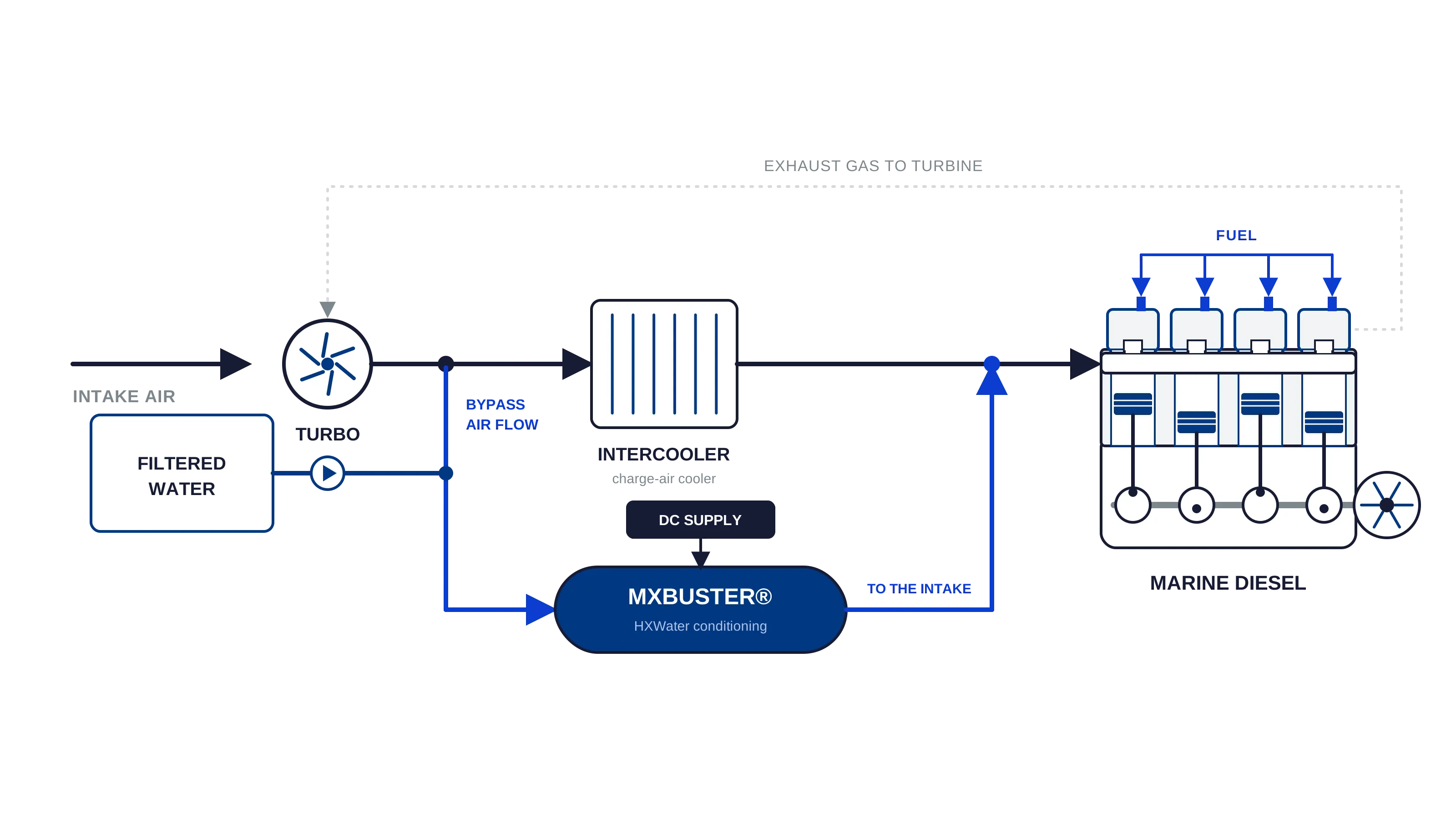
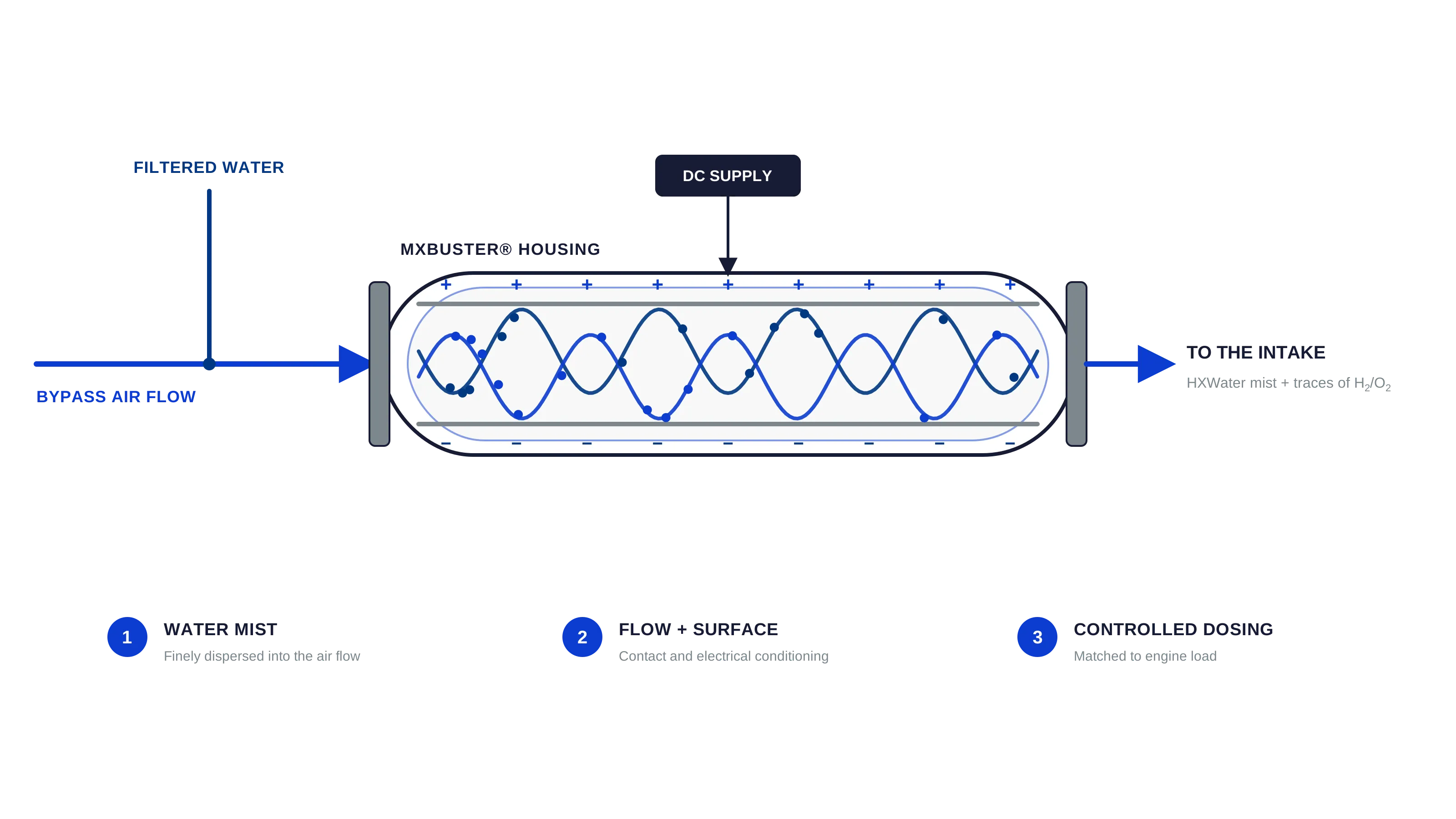
Developed by AtomicOne, MXBuster takes a different approach to reducing emissions. Rather than treating exhaust gases after combustion, the compact system works at the engine intake. Hydrogen produced from purified water, together with conditioned water vapour, is introduced into the intake air to improve the combustion process. The result is lower emissions, reduced soot formation and lower fuel consumption.
Independent testing, certification and classification organisations, including Lloyd’s Register and SGS, have validated the technology's performance on medium-speed shipping engines and superyacht gensets. Results include NOx reductions of up to 55 per cent, alongside reductions in exhaust gas temperatures and particulate matter.
Proven in operation
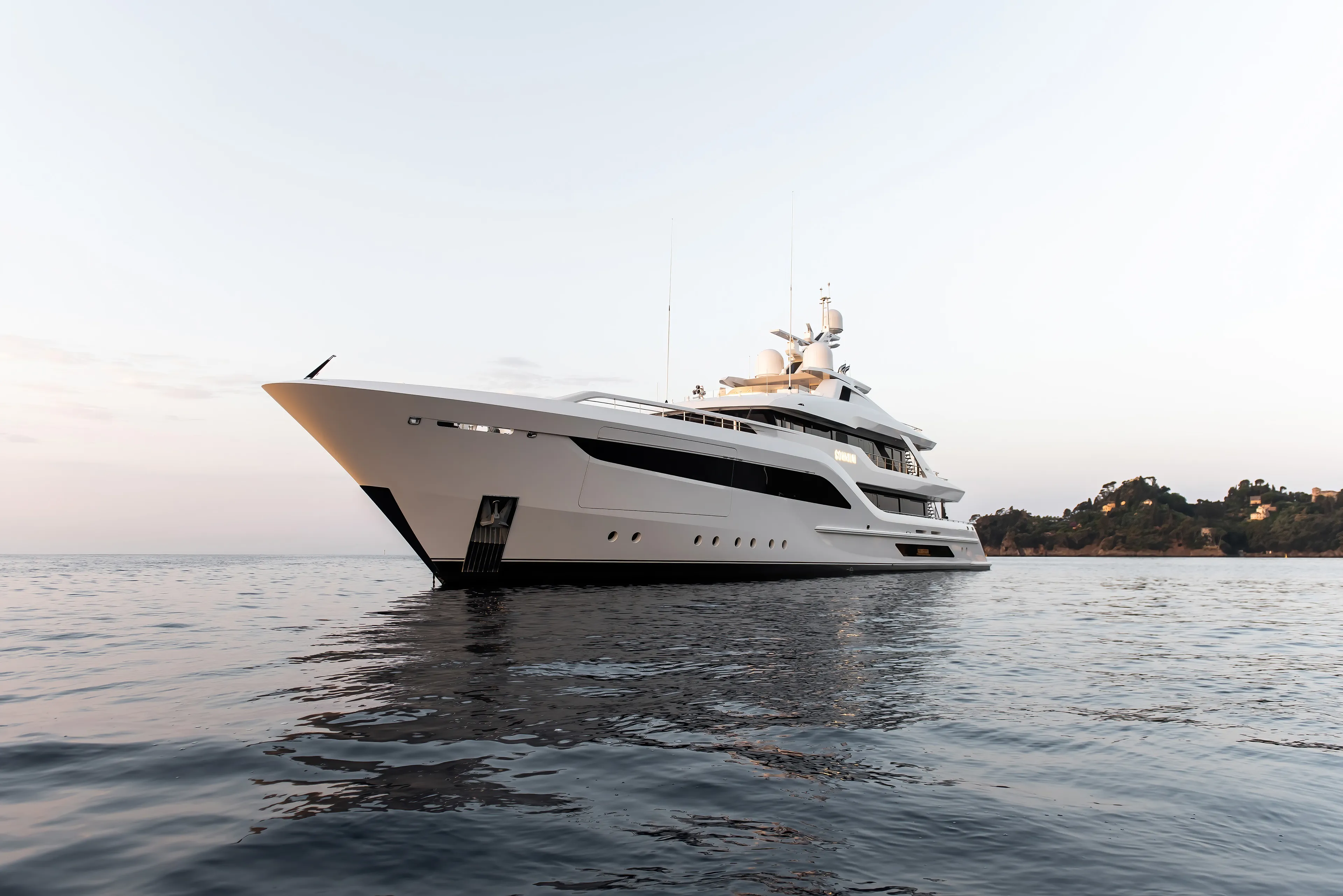
The first MXBuster installation on board a Feadship has now been operating for more than a year. During this period, soot deposits have been eliminated and emissions reduced, while initial onboard measurements also indicate the potential for lower fuel consumption.
Separate tests on modern land-based diesel engines have demonstrated fuel-consumption reductions of up to 14 per cent and reductions of 25–35 per cent in AdBlue consumption.
An important advantage of MXBuster is that it can be installed as a separate add-on, without modifications to the engine itself. The system is compatible with both conventional diesel and HVO. Following successful onboard testing, Lloyd’s Register has approved the technology for installation without affecting the engine's certified configuration.
Opportunities for the existing fleet
“What makes MXBuster particularly interesting is that it has relevance for both existing and future yachts,” says Mattes Kruize, Director New Business & Supply Chain and a member of Feadship’s K&I Steering Committee. “For many yachts with Tier II engines, conventional solutions for reducing emissions require considerable space and modifications to the engine room. MXBuster gives us another option to explore, while the technology also has the potential to influence how we design engine rooms for future Feadships.”
Many yachts currently operating with Tier II engines face practical challenges when considering upgrades to Tier III standards. Conventional SCR exhaust after-treatment systems require considerable space, which is not always available in existing engine rooms. MXBuster's compact installation offers another possibility for reducing emissions without extensive modifications.
The technology could also influence future yacht design. Reducing the need for large exhaust after-treatment equipment would provide greater freedom in engine-room layouts, including the possibility of retaining single-level engine rooms.
Looking beyond combustion
Feadship and AtomicOne are also working with Eindhoven University of Technology and specialist maritime partners on the Machine Room of the Future programme. By combining combustion optimisation with compact exhaust after-treatment, the research aims to further reduce emissions while limiting the space, weight and complexity of conventional systems.
Feadship has secured exclusive rights to apply MXBuster and associated technologies to yachts over 30 metres. What began as a practical application on board one Feadship is now creating opportunities for technology-driven upgrades across the existing fleet and new approaches to future engine-room design.
Latest