innovation, sustainability
When the fleet talks back
Design calculations and simulations can predict how a yacht should perform. Once she enters service, there is an opportunity to learn something even more valuable: how those systems perform in the real world. By comparing operational data with the assumptions made during design, Feadship can use what happens on board today to inform the yachts of tomorrow.
Learning from data
Central to many of these developments is Feadship's ongoing sustainability study, which brings together research, operational data and emerging technologies to help shape future yachts. The study continues to evolve as new insights become available.
"We have a whole library of solutions waiting to be applied," says Feadship Senior Specialist Bram Jongepier. "Sometimes we solve problems before they even exist."
Many of those solutions are based on increasingly sophisticated simulations. Rather than designing solely for peak operating conditions, engineers now model how a yacht is actually used, from HVAC loads and waste heat recovery to battery performance and thermal energy storage.
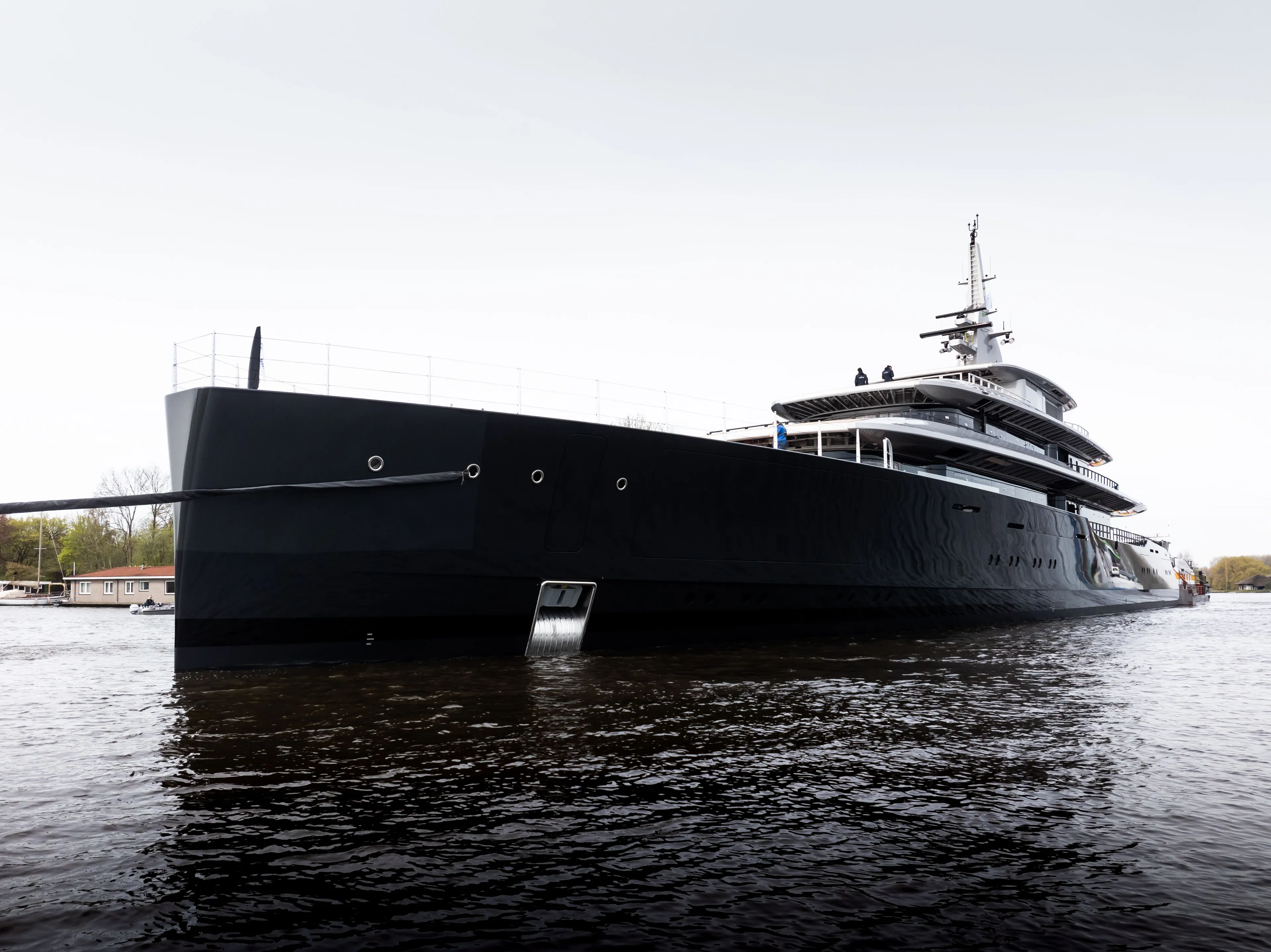
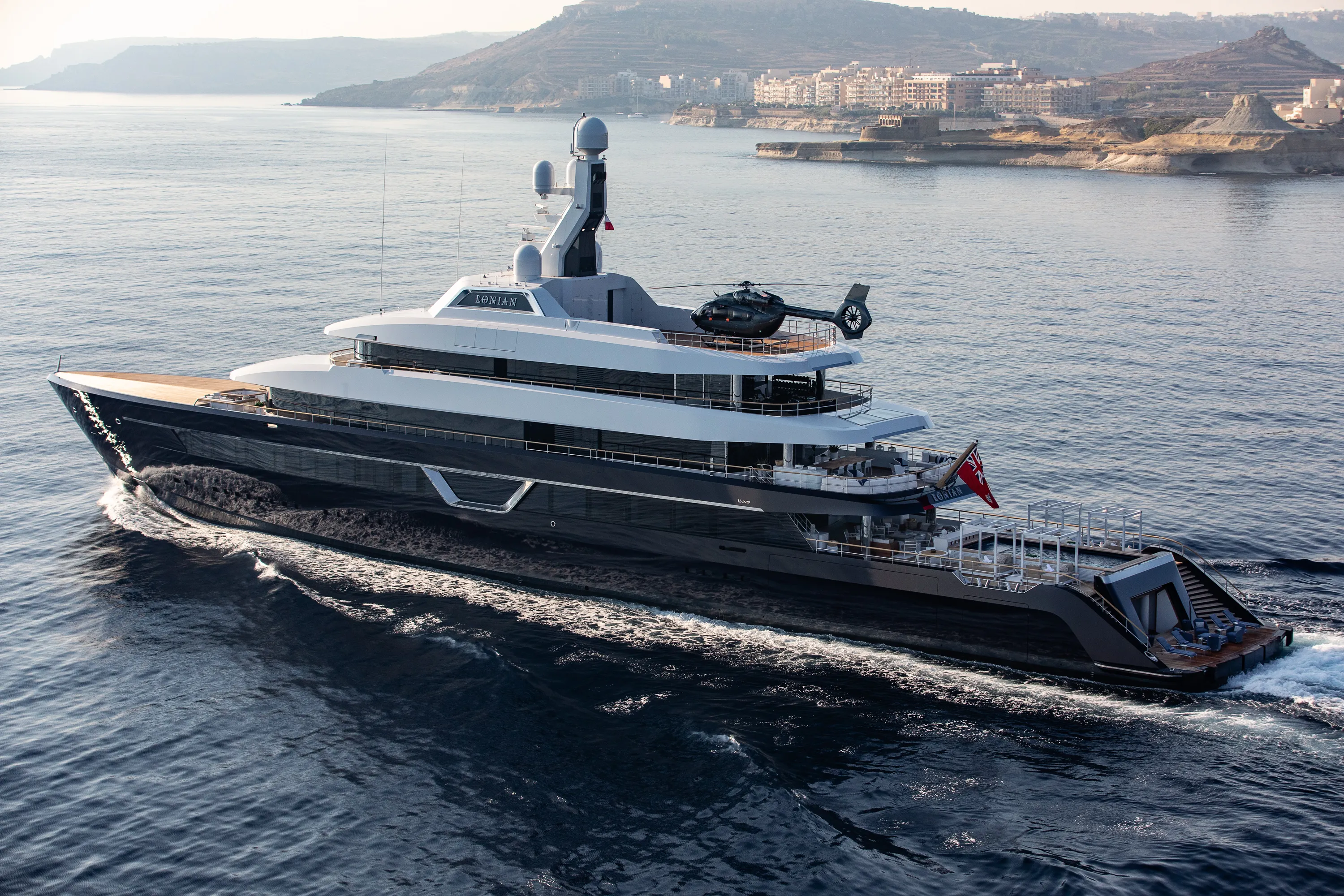
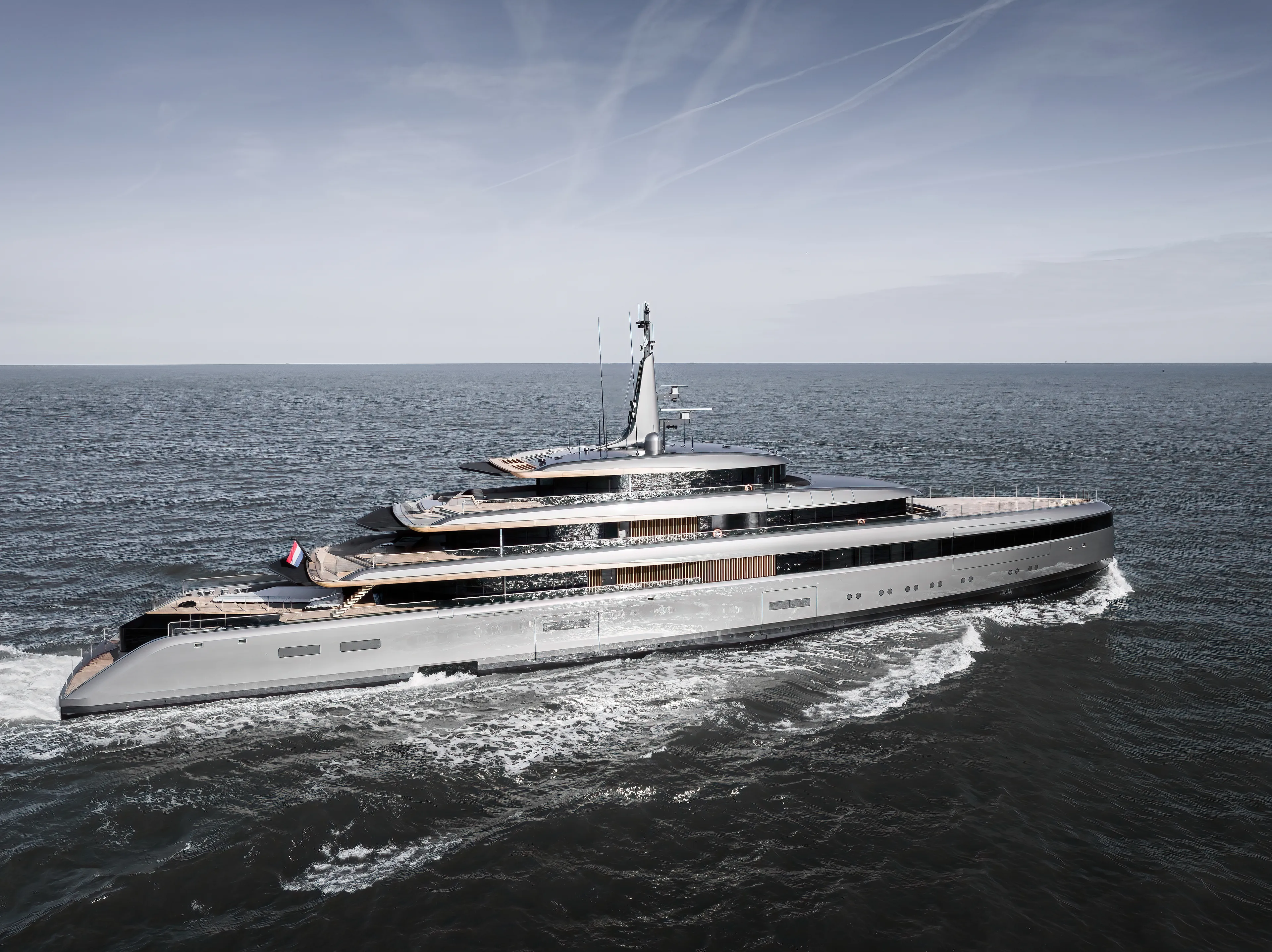
The next step is validating those models with real-world data. Beginning with Lonian (#700), Feadships have been equipped with sensors that monitor operational performance. Data from around a dozen yachts is actively analysed, providing valuable feedback that is already influencing future system design. Obsidian (#710) for example, exceeded the team's efficiency expectations.
"Being a learning company means understanding what happens on board and using that knowledge to make every new yacht better than the last," Jongepier says.
A yacht can therefore continue to contribute long after the design calculations are complete. Real-world performance provides another layer of knowledge: validating assumptions, improving models and feeding what is learned from yachts already in operation back into those still to come.
Latest